
Root Canals
A root canal has a scary reputation it doesn’t really deserve. The procedure itself is designed to relieve pain, not cause it, and for most patients it’s no more uncomfortable than getting a filling. Railroad Dental Associates provides root canal treatment for patients in Manassas Park, Manassas, Centreville, and Clifton, and our goal at every visit is to save your natural tooth whenever that’s the right call.
Signs You Might Need a Root Canal
You may need a root canal if you’re experiencing:
- Persistent tooth pain, especially when biting or chewing
- Sensitivity to hot or cold that lingers well after the stimulus is gone
- Swelling or tenderness in the gums near a specific tooth
- A tooth that’s cracked, chipped, or visibly darkening
- A recurring pimple-like bump on the gums
- Severe pain that came on suddenly, which may be a dental emergency that needs same-day attention
Root Canal Treatment in Manassas Park, VA
What Causes an Infected Tooth?
Every tooth has a soft inner layer called the pulp, which contains nerves and blood vessels. When a tooth develops a deep cavity or a crack, bacteria can work their way into the pulp and cause an infection. Left untreated, the infection can form an abscess at the root tip, damage the surrounding bone, and eventually mean the tooth can’t be saved at all. A root canal removes the infected pulp before it gets to that point.
What Happens During a Root Canal?
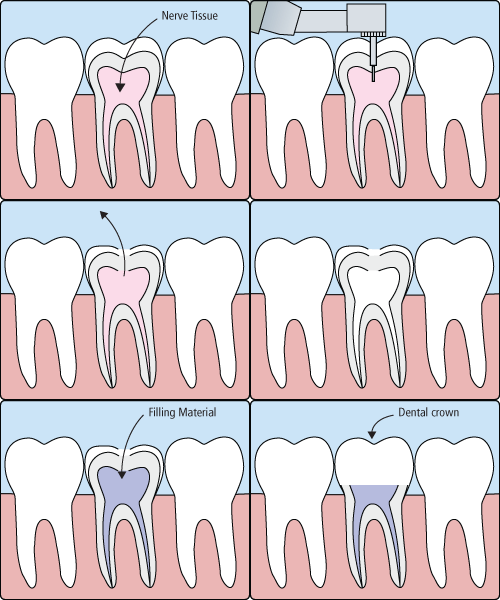
Treatment usually takes one to three visits. We numb the area thoroughly before starting, and for patients who feel anxious about dental treatment in general, we also offer sedation dentistry as an option. We remove the infected pulp, then clean and shape the canal or canals inside the tooth before sealing them. Many back teeth need a crown afterward to protect what’s left of the natural tooth structure and restore its strength for chewing.
Is a Root Canal Painful?
Generally, no, and this is the biggest misconception about the procedure. The pain people associate with root canals actually comes from the infection itself, not the treatment. Once the area is numb, most patients describe the procedure as comparable to having a filling placed. Some soreness for a few days afterward is normal and typically manageable with over-the-counter pain relief.
Root Canal vs. Extraction
When a tooth is infected, the two options are usually a root canal or an extraction. In most cases, saving the natural tooth is the better long-term choice: it preserves your natural bite and chewing function, and it avoids the additional cost and time of replacing the tooth later with an implant or bridge. Extraction may make sense if the tooth is too damaged to save. We’ll be direct with you about which category your tooth falls into, and you can review payment options on our financial info page either way.
Caring for Your Tooth After a Root Canal
Mild soreness for a few days is normal. Avoid chewing on that side of your mouth until any temporary filling or crown is replaced with a permanent one, and keep up with regular brushing and flossing. With a permanent crown in place and good oral hygiene, a treated tooth can last a lifetime.
Frequently Asked Questions
Is a root canal painful?
Generally no. Most of the discomfort people associate with root canals actually comes from the infection, not the treatment. With local anesthesia, the procedure itself is typically comparable to getting a filling.
How many visits does a root canal take?
Most root canals are completed in one to three visits, depending on the tooth and the extent of the infection.
Do I need a crown after a root canal?
Often, yes, especially for back teeth, which need extra reinforcement to handle the pressure of chewing after the procedure.
Is a root canal covered by insurance?
Many dental plans cover root canal treatment, at least partially, since it’s a functional rather than cosmetic procedure. Our financial info page has more detail, or call our office and we can check your specific benefits.
What happens if I don’t get a root canal?
An untreated infection can spread, damage the surrounding bone, and eventually mean the tooth can’t be saved at all. Getting treatment sooner rather than later generally means a simpler, less costly procedure.
Ready to Get Started?
If you’re dealing with tooth pain or think you might need a root canal, don’t wait. Call Railroad Dental Associates at (703) 365-0230 or request an appointment online.