

Dental Crowns
A crown, sometimes called a cap, is a custom-made covering that fits over a damaged or weakened tooth to restore its strength, shape, and appearance. Railroad Dental Associates provides dental crowns for patients in Manassas Park, Manassas, Centreville, and Clifton, using a variety of materials matched to where the crown sits in your mouth and what you need it to do.
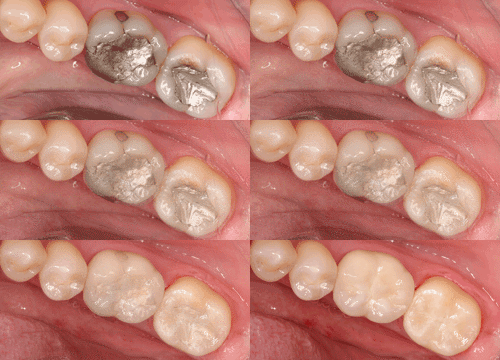
Dental Crowns in Manassas Park, VA
What Is a Dental Crown?
A crown fully covers the portion of your tooth above the gum line, effectively becoming the tooth’s new outer surface. Unlike a filling, which is applied directly in your mouth, a crown is custom-fabricated from an impression of your tooth, either in a dental lab or, for some materials, digitally in-office, so it fits your specific bite and jaw movement.
When Do You Need a Crown?
Crowns are typically recommended when a tooth is:
- Cracked, broken, or significantly worn down
- Weakened by a cavity too large for a standard filling
- Treated with a root canal, which often leaves a tooth needing extra reinforcement
- Supporting a dental implant, where the crown serves as the visible, functional replacement tooth
- In need of reshaping or cosmetic improvement for a more even smile
Types of Dental Crowns Available
Stainless Steel
Prefabricated crowns used primarily as a temporary measure on permanent teeth, or commonly on children’s primary teeth. They protect the tooth while a permanent crown is made, or in children, come out naturally with the baby tooth.
Metal
Made from gold alloy or other metal alloys. Metal crowns require removing less tooth structure, cause minimal wear to opposing teeth, and hold up exceptionally well to biting and chewing forces. The main drawback is the metallic color, which makes them best suited for back molars that aren’t visible when you smile.
Porcelain-Fused-to-Metal
Color-matched to your surrounding teeth, unlike all-metal crowns. They can be used on front or back teeth, though the porcelain can chip over time, and the underlying metal can occasionally show as a dark line near the gum line, especially if gums recede.
All-Resin
The most affordable option, though more prone to wear and fracture over time compared to porcelain-fused-to-metal crowns.
All-Ceramic or All-Porcelain
The best natural color match of any crown type, and a good option for patients with metal allergies. They’re not quite as strong as porcelain-fused-to-metal crowns and can cause slightly more wear on opposing teeth, making them best suited for front teeth.
Zirconia or Milled Crowns
Digitally designed and milled, either in-office or at a dental lab. Offices with the right equipment can produce a zirconia crown in a single visit with no impression and no temporary crown needed.
Temporary vs. Permanent
Temporary crowns, made of acrylic or stainless steel, are placed in-office to protect your tooth while a permanent crown is fabricated in a dental lab, typically over one to two weeks.
What to Expect: The Crown Process
For a traditional lab-made crown, your first visit involves reshaping the tooth, taking an impression, and placing a temporary crown while the permanent one is fabricated. At your second visit, we remove the temporary and cement the permanent crown in place, checking your bite carefully to make sure everything feels natural. If we offer same-day zirconia crowns for your specific case, this process can be completed in a single visit instead.
Caring for Your Crown
A well-made, well-fitted crown can last many years, often a decade or more, with normal brushing and flossing. Avoid chewing ice or very hard foods directly on the crowned tooth, and keep up with regular checkups so we can monitor the crown and the gum line around it over time.
Frequently Asked Questions
How long do dental crowns last?
Most crowns last ten to fifteen years or longer with good oral hygiene and regular checkups, though this varies by material and how the tooth is used.
Does getting a crown hurt?
The tooth is numbed before reshaping, so the procedure itself is generally comfortable. Some mild sensitivity for a few days afterward is normal.
What’s the difference between a crown and a veneer?
A crown fully covers a tooth and is used to protect or restore a damaged or weakened tooth. A veneer is a thin shell bonded only to the front surface of a tooth, mainly for cosmetic improvement, and requires a mostly healthy tooth underneath.
Is a dental crown covered by insurance?
Many dental plans cover crowns that are medically necessary, such as those following a root canal or repairing significant damage, though coverage varies by plan. See our financial info page or call our office to check your specific benefits.
Can a crown fall off?
It’s uncommon with a properly fitted crown, but it can happen if the underlying cement weakens or the tooth beneath is compromised. If your crown ever feels loose, contact us promptly rather than waiting.
Ready to Get Started?
If you have a damaged, worn, or weakened tooth, call Railroad Dental Associates at 703-810-3554 or request an appointment online to find out if a crown is the right solution for you.